Behind Every Data Point Is a Child
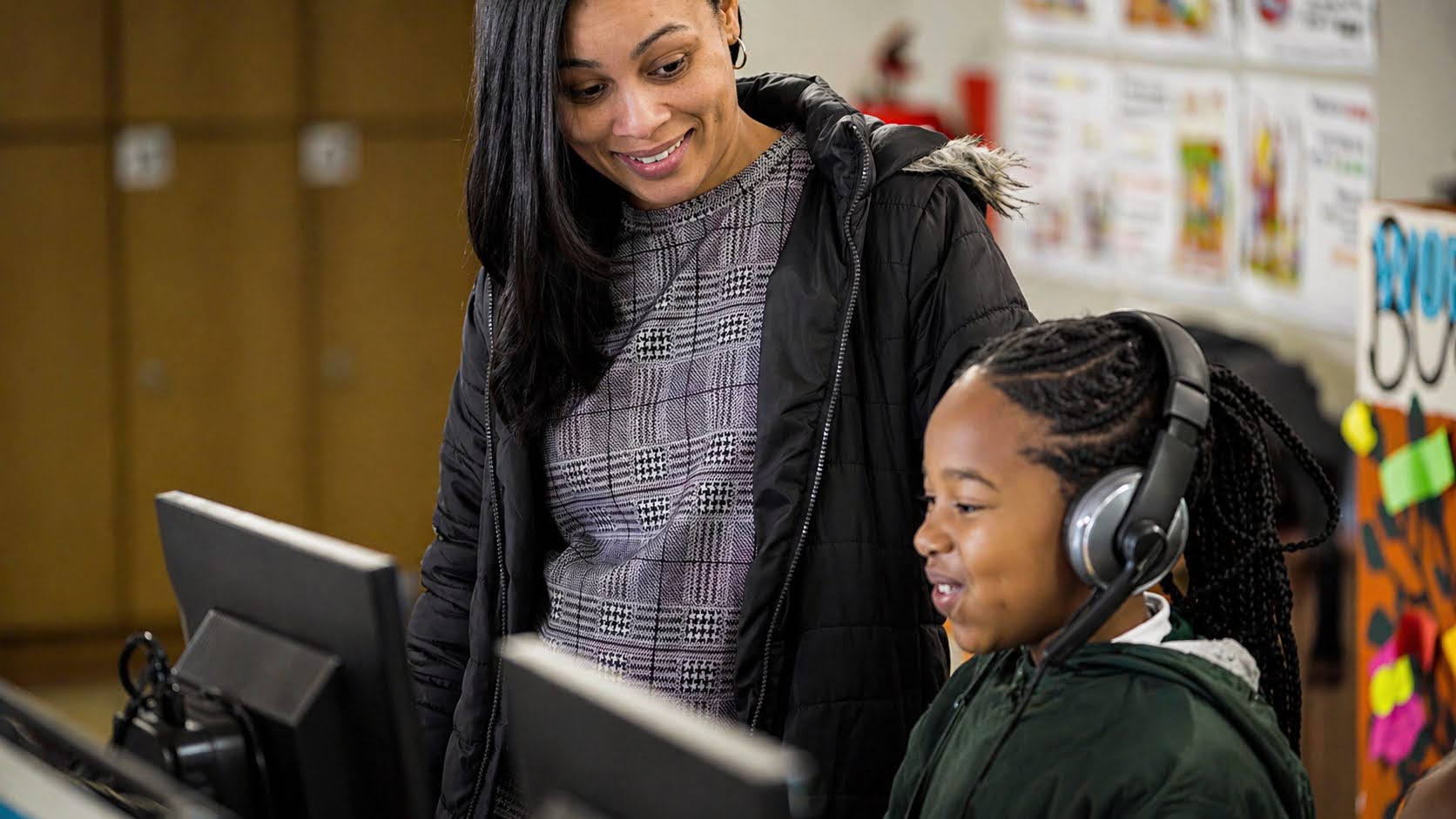

October brings a distinct rhythm to the school year. The routines we established in September are running smoothly, and now, across the country, teachers are sitting down at their desks, preparing for fall parent-teacher conferences. They open their laptops and are immediately greeted by spreadsheets, color-coded cells, and percentile rankings.
It is easy to get lost in the sea of red, yellow, and green.
But as a former teacher, principal, and district leader, I have reminded myself and the educators I work with of a fundamental truth over the years: Behind every single one of those data points is a child. Behind that percentile is a first grader who loves dinosaurs but struggles to blend sounds. Behind that Lexile level is a third grader who reads fluently but hides the fact that they don’t understand the story.
Data is not just a measurement; it is a student's reading story. And our job is to read it carefully so we can partner with their families to write the next chapter.
Leadership Lens
As district and school leaders, this is the time of year to shift our focus to celebrating early wins. We must guide our teachers to view data not as a tool for compliance, but as a tool for community. When we share data with families, it shouldn't feel like a verdict; it should feel like an invitation to partner with us.
To do this, we need data that teachers and parents can implicitly trust. When evaluating educational technology, our goal at Amira remains steadfast: We want to build confident, motivated, and masterful readers who can close their laptops, walk over to that beautifully organized classroom library, and get lost in a real book. We also know a safe environment is a prerequisite for learning, which is why student safety is our top priority and also why we built the Amira Trust Center. We partner with you to give teachers their time back, securely and responsibly, so they can spend their energy building relationships with families.
Research and Evidence
Traditional assessments often provide a stagnant score that tells a parent where their child is, but not why. Amira is fundamentally different. Amira continuously evaluates the exact micro-skills that students demonstrate while practicing reading skills aligned to Scarborough’s Reading Rope and state standards.
When a teacher sits down with a parent, they aren't just handing over a number. They can say, "Your child is making incredible progress with phonemic awareness, and here is exactly what we are doing to support their vocabulary."
And because we know that just 30 minutes a week of this targeted practice drives exponential progress, teachers can confidently celebrate these early micro-wins with families. This dosage-to-growth ratio is backed by independent research: a study conducted by the University of Utah's Education Policy Center found that students who read with Amira for 30 minutes a week achieved up to 1.5 years of reading growth in a single school year. Armed with this data, teachers know that these daily micro-wins put their students on a proven path to massive macro-reading growth.
One Thing You Can Do Tomorrow
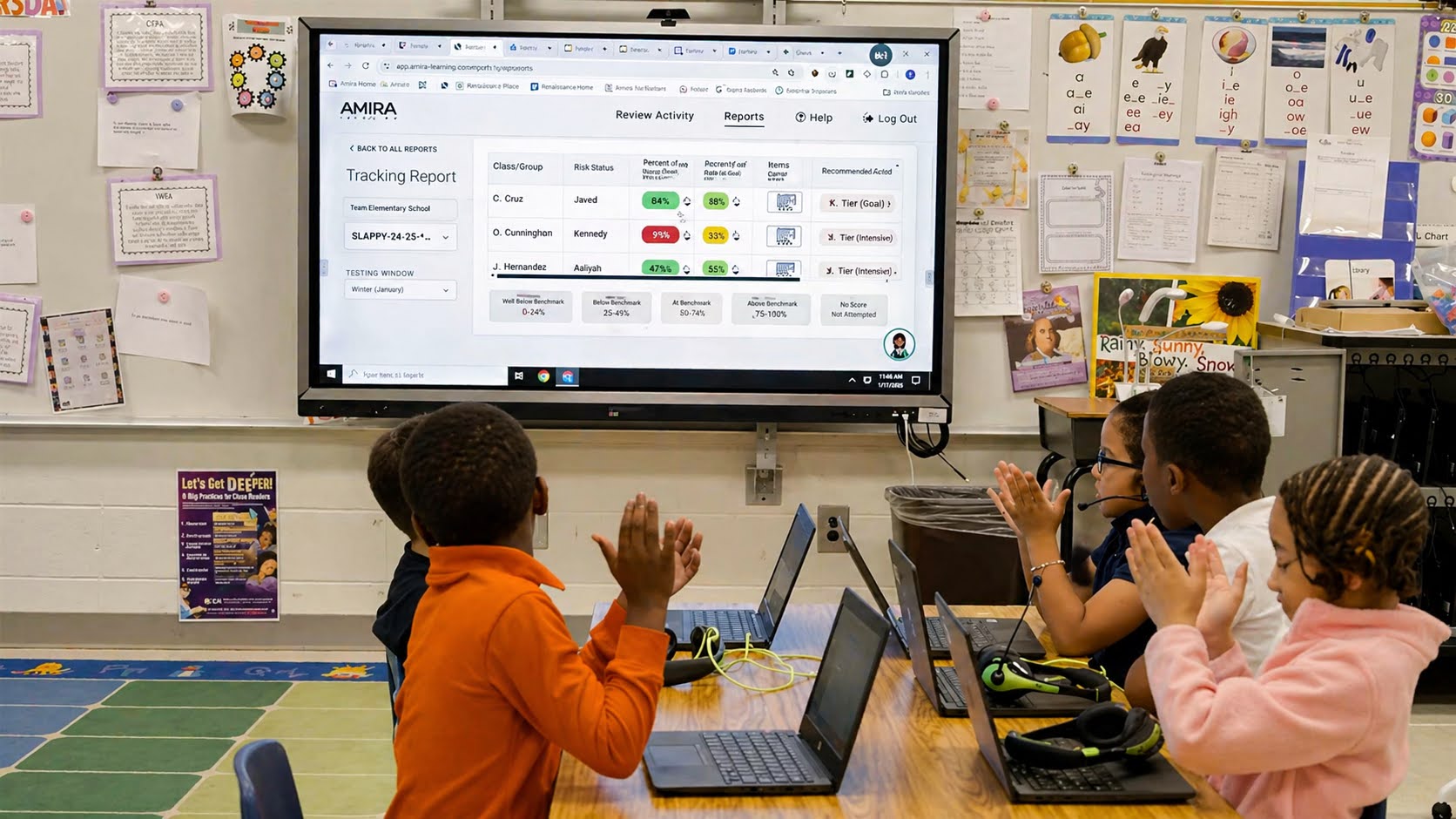
Help your teachers shift from data anxiety to data celebration. Tomorrow, challenge your instructional teams to log into their Amira dashboard, select a report like our multilingual Parent Report, Skills Status Report, Benchmark Report, or Progress Monitoring Report, and identify one struggling student who has shown growth in a specific skill or standard this week. Send a positive note or email home to that family to celebrate the student’s early win to continue their momentum and reading growth.
Looking Ahead
Gathering data is only half the battle; the real instructional shift happens when you know how to talk about it. Join us on October 23 for our next post, "The Importance of Discussing Real-Time, Accurate Data," where we will explore how PLCs can use Amira’s real-time insights to drive impactful classroom instruction.
Read more from the AI & The Reading Brain Blog
.avif)