Instructional StrategiesScience of Reading
The Reading Brain Loves Routines
Build lasting literacy routines this September. Discover how 30 minutes of weekly reading practice with Amira can strengthen skills and support student growth.
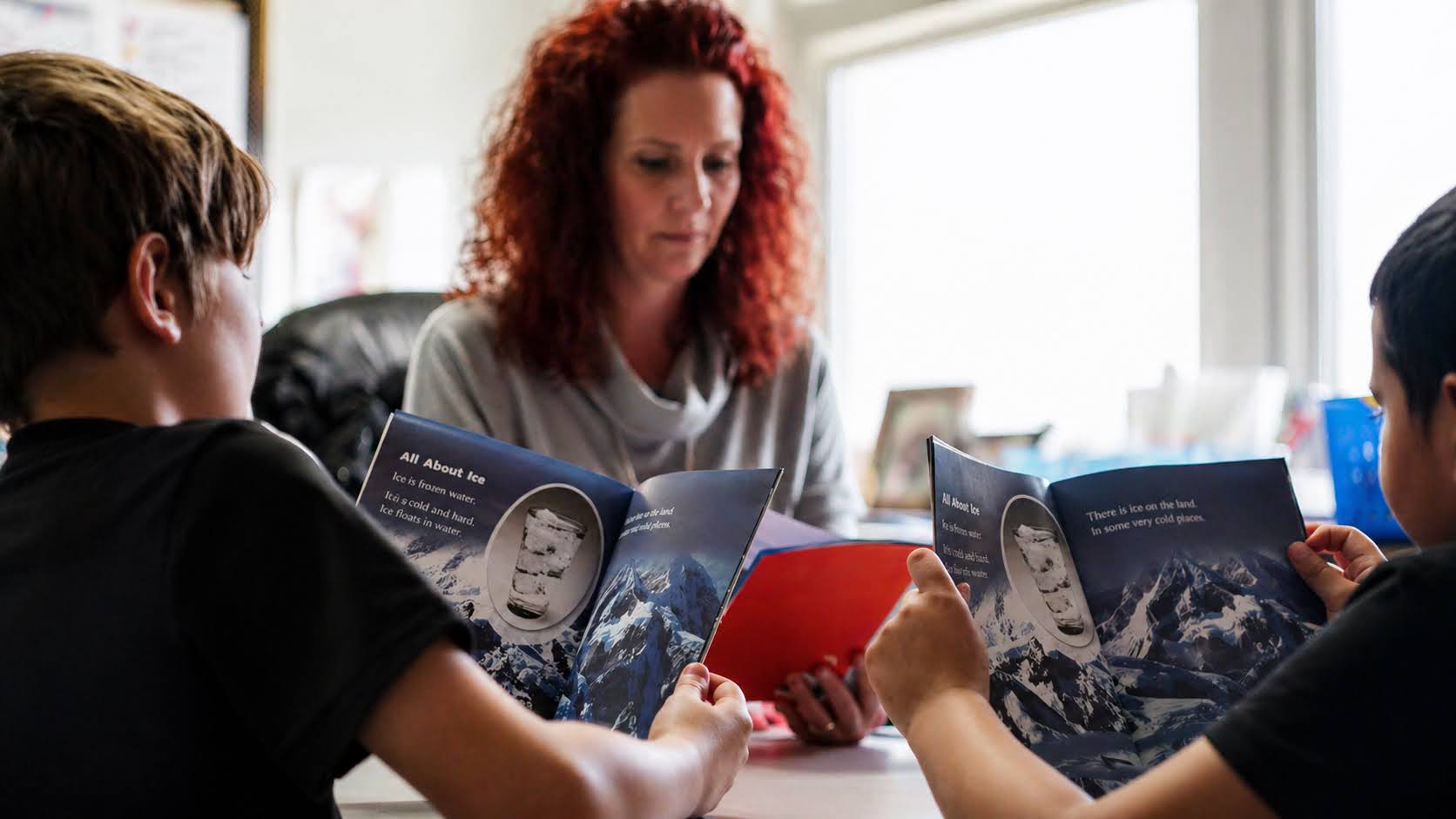
September marks a distinct shift in the school year. The back-to-school honeymoon phase is over, the bulletin boards have faded slightly into the background, and the real, deeply important work of the school year begins. This is the month when the weather shifts, and more importantly, when classroom routines are solidified.
As a former teacher and principal, I always viewed September as the make-or-break month for habits. If a routine is established now, it will carry a classroom through the hardest days of February. But if we allow the wrong habits to take root, we spend the rest of the year trying to course-correct.
When it comes to literacy, the stakes for these routines are incredibly high. Reading is not a naturally occurring phenomenon in the human brain; it is an acquired skill that requires literal neurological rewiring. And if there is one thing we know from neuroscience, it is this: the reading brain absolutely loves routines.
Leadership Lens
As instructional leaders, it is our job to ensure that the routines happening in our classrooms are actually driving growth. Right now, in step with our strategic focus for the year, our primary goal is to make the connection between usage and growth highly legible for our teachers and our students.
When a teacher asks a student to log onto a device, that teacher needs to know that those minutes are translating directly into mastery. We have to move past "busy work" digital centers and establish high-impact routines. The continuous learning loop of assessing, tutoring, and instructing only works if the tutoring phase is consistent, focused, and completely aligned with the Science of Reading.
Research and Evidence
Rewiring the brain to connect sounds to letters (and eventually to meaning) requires highly targeted, out-loud practice. But here is the good news: building this neurological pathway does not require hours of screen time, the magic number for Amira is just 30 minutes a week.
During those 30 minutes, Amira is listening to the student read aloud, providing in-the-moment micro-interventions, and reinforcing the exact skills that child needs. This approach is rooted in decades of reading, AI, and neuroscience research at Carnegie Mellon University. As detailed in the landmark study "Lessons from Project LISTEN: What Have We Learned from a Reading Tutor That Listens?," researchers proved that when technology listens to children read out loud and provides immediate, targeted feedback, students make massive gains in fluency and comprehension.
Because this routine is so brief, it is easily sustained. And because it is so effective, the growth becomes quickly apparent. Students who maintain this 30-minute weekly habit outpace their peers by 9 weeks of reading growth over the course of the year.
One Thing You Can Do Tomorrow
Walk your classrooms during the literacy block and audit the digital routines. Tomorrow, ask yourself: Are students engaged in active, out-loud practice, or are they passively clicking? Work with your teachers to map out a clear, predictable 6-minute window for Amira each day, ensuring that this powerful routine is baked into the fabric of the week.
Looking Ahead
Establishing a routine is one thing; sustaining it is another. Join us in two weeks on September 23 for our next post, "How Amira Supports Classroom Routines (and Empowers Teachers and Students)," where we will look at how to seamlessly integrate these 30 minutes into the master schedule without overwhelming the classroom teacher.