How Amira Supports Classroom Routines (and Empowers Teachers and Students)

Opening Story
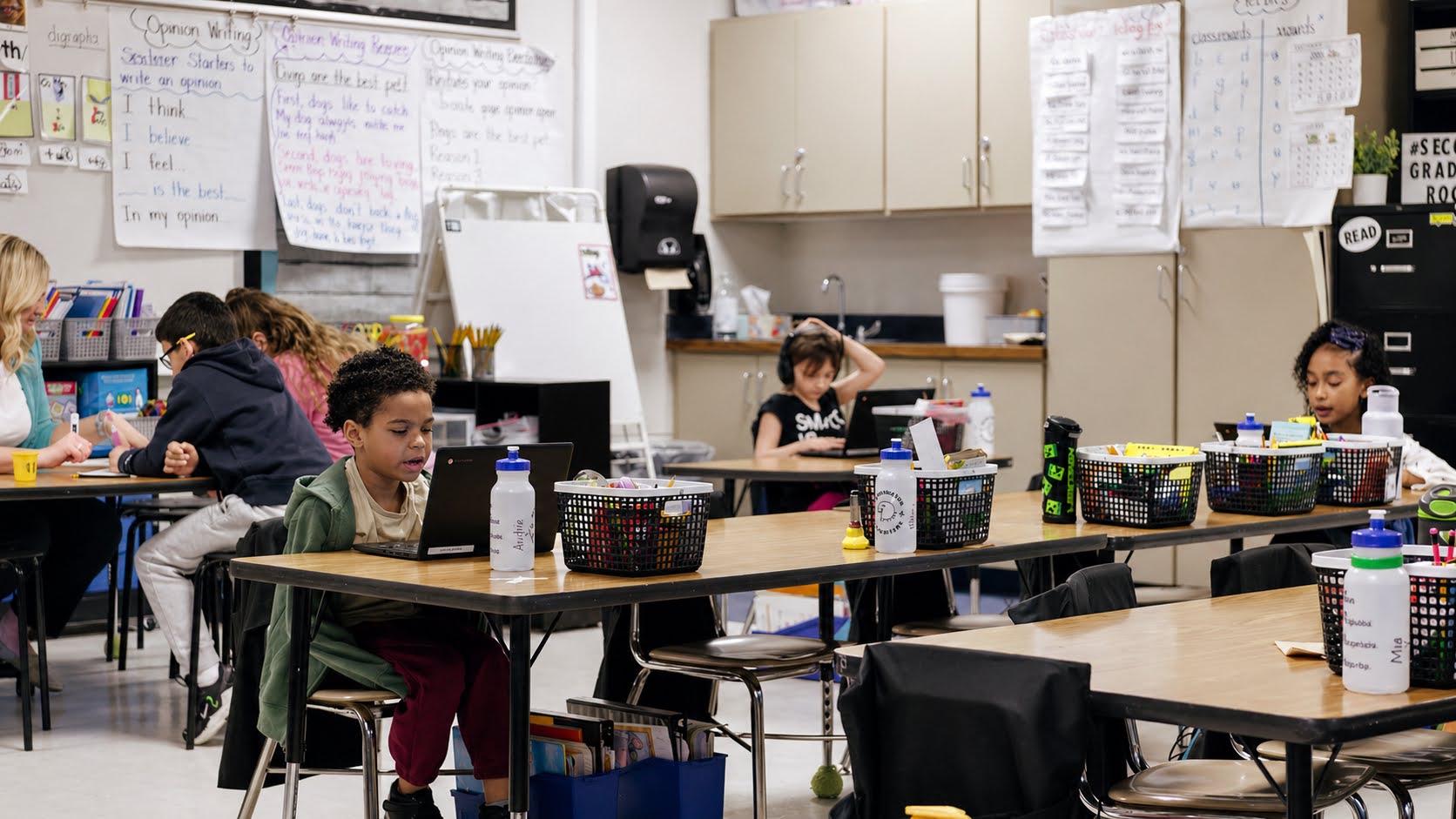
If you walk into a highly effective literacy classroom in late September, you will hear a very specific sound. It is a quiet, productive hum.
In one corner, a teacher is leading a targeted small group. At their desks, a few students are deeply engrossed in independent reading. And scattered around the room, a handful of students are quietly reading aloud to their devices, practicing their fluency and phonics skills.
This beautiful orchestration does not happen by accident. It is the result of carefully cultivated classroom routines. But for a teacher managing 25 unique reading profiles, orchestrating this hum can feel exhausting if they do not have the right tools. Teachers don't need more programs to manage; they need a partner that effortlessly supports their daily workflow and helps their students make reading gains.
Leadership Lens
We often talk about the continuous learning loop—assessing, tutoring, and instructing. But for this loop to be a reality, it must practically fit into a teacher's day.
As leaders, we must provide tools that give teachers their time back, securely and responsibly. At Amira, we built our platform to do exactly that. We do not want kids addicted to screens completing unproductive tasks. We want them to practice reading for a few minutes and then return to the rich, human-led, data-informed instruction happening in the room. Furthermore, we know that a safe environment is a prerequisite for learning, which is why student safety is our top priority and why we built the Amira Trust Center. Districts maintain control, and teachers gain a powerful, safe assistant.
Research and Evidence
Amira was designed to support classroom routines, not disrupt them. When a student logs in for their reading (hitting that critical 30-minute weekly target), they are receiving personalized tutoring that drives real, measurable results. In fact, researchers at Columbia University’s Consortium for Policy Research in Education (CPRE) examined over 2,300 first and second graders in Savannah-Chatham County Public Schools. They found that students who used Amira consistently gained 0.25 to 0.45 standard deviations more than their peers across core literacy measures, including oral reading fluency, vocabulary, and phonological awareness.
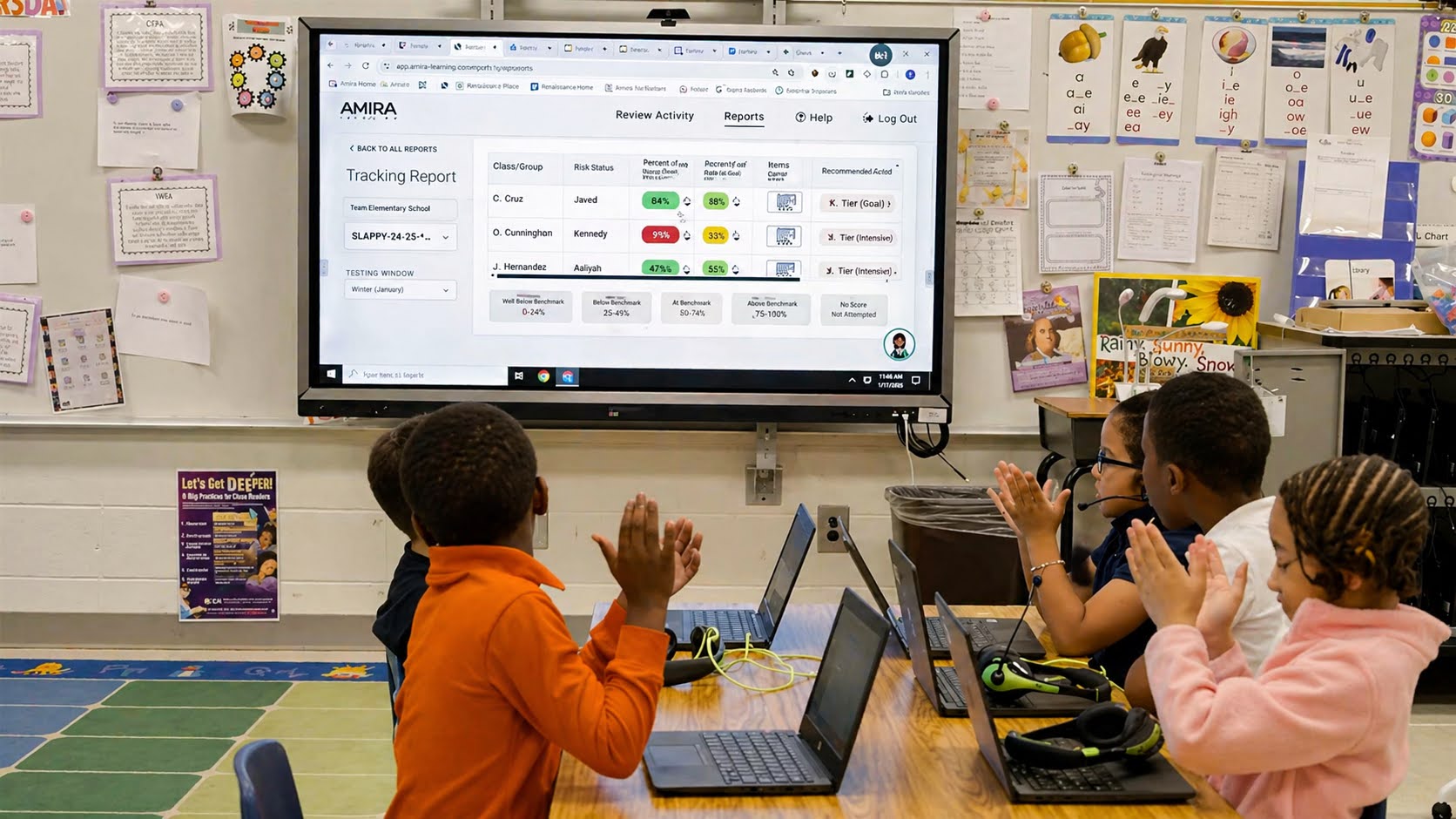
Because this tutoring data is instantly fed back into the teacher's dashboard, the connection between usage and growth becomes incredibly legible. The teacher doesn't have to wait for an end-of-month assessment to know what to teach tomorrow. Amira’s dashboard seamlessly translates today’s tutoring session into tomorrow’s instructional groupings.
By supporting this daily routine, Amira lifts the burden of constant manual progress monitoring, simultaneously, freeing the teacher up to do what only a human can do: Teach and inspire learning with empathy, joy, and deep relational connection.
One Thing You Can Do Tomorrow
Review your master schedule with one practical question: Where can students complete 30 minutes of Amira Tutor each week within routines that already exist?
The goal does not require teachers to create a new 30-minute block. Students might use Amira for 10 minutes during literacy centers three times a week, for 15 minutes during two independent practice rotations, or through a device rotation that allows several students to read while the teacher leads a small group.
Ask teachers which existing part of the literacy block offers the smoothest fit. Then help protect that time, clarify expectations, and ensure devices and headsets are ready. A shared schoolwide plan makes consistent use easier without placing the full scheduling burden on each classroom teacher.
Looking Ahead
As we move into October, we will transition from establishing routines to celebrating the early wins those routines produce. Join us next month for our new theme, Data and Community, kicking off with our flagship post: "Behind Every Data Point Is a Child." We will explore how to use our early progress monitoring to engage families and build a community of readers.
Read more from the AI & The Reading Brain Blog
.avif)